
Game Screens and Pixels
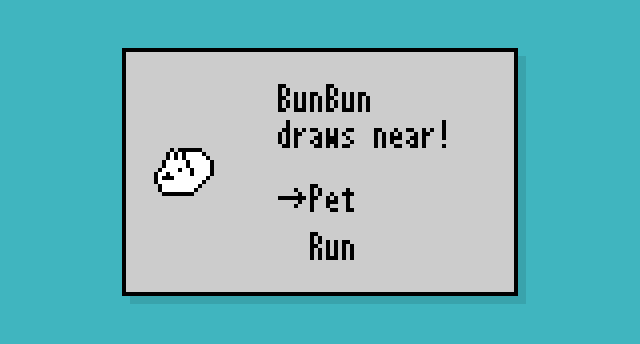
Buns and Poops presents its rabbits as pixel art.

Pixel art looks like the example shown above: a rough image where each visible pixel stands out clearly. Because these pixels are large, each one plays a significant role, and even a single pixel’s difference can dramatically alter the expression. This density is part of its charm.
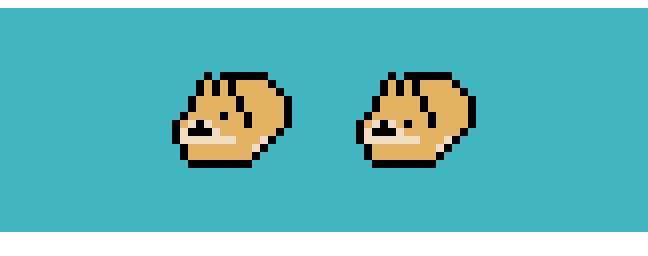
While developing the game, deciding how to present elements other than the rabbits has been an important consideration. Sticking with pixel art would inevitably make the text too large.
Since this game is designed to be displayed at the edge of the desktop screen, the game screen can’t be very large and it can hold at most about 40 characters. Is it really possible to implement various features within such tight constraints?
In recent pixel art games, text and other screen elements are often rendered smoothly, disregarding the pixelated style.
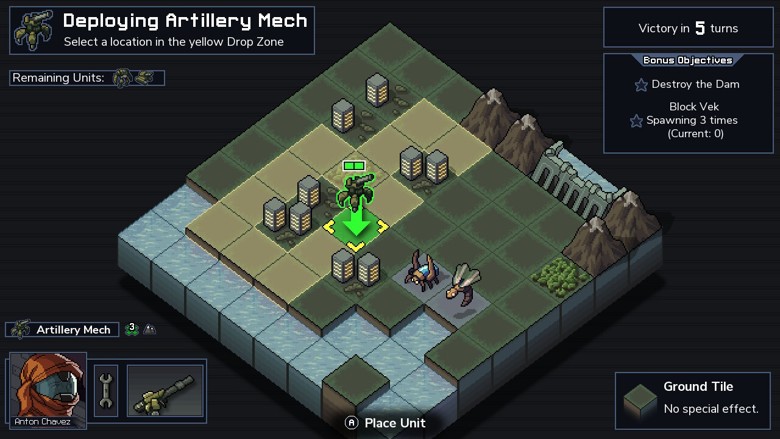
This approach allows for more flexible screen design and, above all, better readability. That said, the charm and perfection of a world that fully respects pixel art are hard to resist, and it feels worth the effort to try.
The full scope of Buns and Poops is still unclear, but one feature I definitely want to include is a catalog of rabbit types and fur colors, tentatively named Bundex. I decided to use this screen as a test to see if the entire interface can be created with consistent pixel sizes.
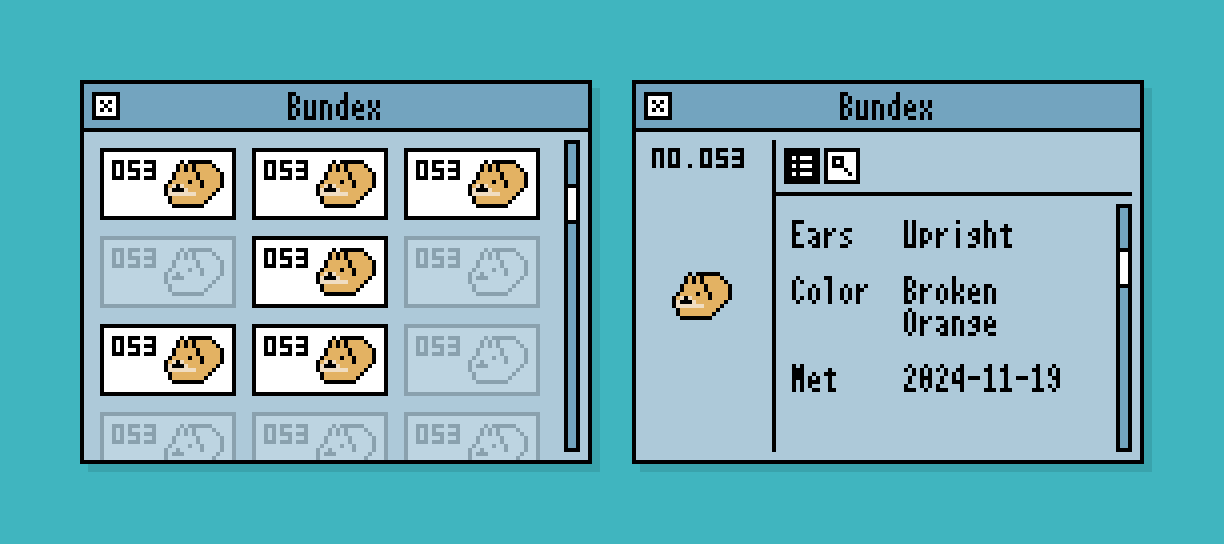
How about something like this? Since this is a desktop version, I’m aiming for a window-style appearance and interface that suits it.
The text can’t be made any smaller so designing screens might be challenging, but I feel it’s still manageable.
For now, Buns and Poops will proceed with a policy of fully respecting pixels.